 Skip to content

Understanding Tea Through Oxidation
Ever wondered why some teas are bold and brisk while others are soft, floral, or grassy? The secret lies in a magical little process called oxidation — the very thing that turns a fresh green leaf into a diverse world of tea, from delicate whites to robust blacks.
At Nueranya, we believe that understanding tea makes sipping it even more special. So, here’s a warm, flavourful journey into the world of tea — seen through the lens of oxidation.
What Is Oxidation, Really?
Oxidation is the natural process where tea leaves, once plucked, react with oxygen in the air. Think of it like how a sliced apple browns over time. In tea, this reaction changes everything — color, flavor, aroma, and strength.
By controlling how much oxidation the leaves go through, tea makers create the many types of tea we know and love. Let’s explore them!
1. White Tea (Least Oxidized – 0–5%)
Appearance: Silvery, fuzzy buds
Flavor: Subtle, sweet, floral
Benefits: High in antioxidants, gentle on the stomach, good for skin health
White tea is as pure as it gets — made from the unopened buds of the tea plant and simply dried in sunlight. With almost no oxidation, it’s the closest you’ll get to tasting the raw essence of tea.
Nueranya’s Assam White is hand-plucked by small growers, offering a luxurious, sun-dried tea with warm honey undertones — a quiet indulgence.
2. Green Tea (Low Oxidation – 5–15%)
Appearance: Bright green leaves
Flavor: Grassy, vegetal, sometimes nutty
Benefits: Boosts metabolism, supports weight loss, improves brain function
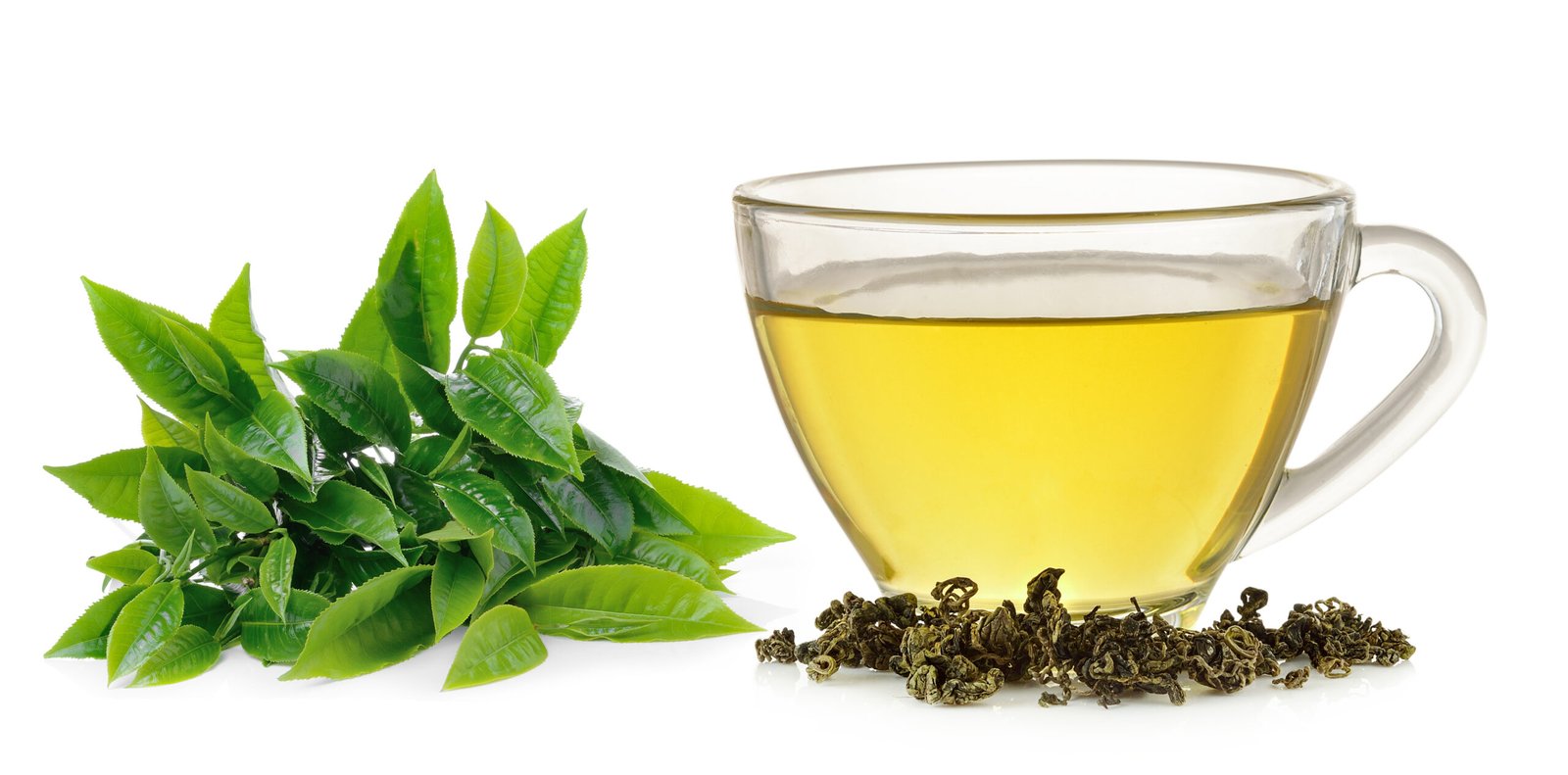
Green tea is quickly steamed or pan-fired after harvest to halt oxidation. That’s why it retains its green color and fresh, garden-like taste.
From the misty valleys of Assam, Nueranya’s green teas are crafted in small batches — refreshing, clean, and just the right touch of boldness.
3. Oolong Tea (Semi-Oxidized – 15–85%)
Appearance: Twisted or curled dark green leaves
Flavor: Complex — anywhere between floral and roasted
Benefits: Aids digestion, helps lower cholesterol, supports heart health
Oolong is the chameleon of the tea world. Partially oxidized, it sits between green and black tea, both in flavor and processing. It’s layered, balanced, and often a tea lover’s favorite for its depth.
Oolongs are slowly gaining attention among India’s artisanal producers — keep an eye out for Nueranya’s curated editions soon.
4. Black Tea (Fully Oxidized – 85–100%)
Appearance: Dark brown to black leaves
Flavor: Malty, bold, brisk
Benefits: Boosts energy, supports immunity, good for heart health
Black tea is where oxidation goes all the way. The result? A bold brew that stands up to milk, spices, or even lemon. Assam black teas are legendary — rich, full-bodied, and energizing.
Nueranya’s black teas stay true to their roots — strong, malty, and perfect for mornings when nothing else will do.
5. Pu-erh & Fermented Teas (Post-Oxidized)
Appearance: Dark, aged tea bricks or loose leaves
Flavor: Earthy, mellow, smooth with age
Benefits: Aids digestion, rich in probiotics, lowers cholesterol
These teas go through microbial fermentation after oxidation. Often aged for years, they have cult followings in China and are now slowly making their way to global shelves.
Nueranya supports tea exploration — and while fermented teas are rare in India, our vision includes working with experimental growers in the future.
The Takeaway: There’s a Tea for Every Mood
Whether you’re sipping the subtle sweetness of white tea or the bold strength of black, oxidation is the alchemist that transforms the same leaf into an entirely new experience.
At Nueranya, we curate teas across this oxidation spectrum — each one crafted by small-scale growers, handpicked with care, and brought to your cup with purity and purpose.
So the next time you brew a cup, pause for a second.
Smell the aroma. Feel the color.
And remember — it all started with a leaf… and a little oxygen.


