 Skip to content

The Aromatic Tale of Assam’s Tea Legacy
There’s something magical about sipping a cup of tea that carries the spirit of centuries, the scent of monsoon-soaked earth, and the warmth of a culture that lives and breathes tea. Welcome to Assam — India’s tea powerhouse, where every leaf tells a tale.
Where It All Began: The Tea-rrific History

Long before the British discovered Assam’s potential as a tea haven, indigenous tribes like the Singphos and Khamtis were already brewing tea from wild bushes growing in the rain-drenched forests of Upper Assam. The credit for officially bringing Assam to the world’s tea map, however, goes to a curious Scottish adventurer, Robert Bruce, in the 1820s. He stumbled upon the local tribes drinking a strange but fragrant brew — turns out, it wasn’t strange, just brilliant!
By the 1830s, the British East India Company, ever the opportunists, started commercial plantations. Thus began Assam’s journey from a jungle secret to a global sensation.
The Jewel in the Cup: Assam’s Green Tea
While Assam is more famous for its robust black tea, green tea from the region is emerging as a hidden gem. What makes Assam green tea special? Let’s spill the tea:
- Lush Terroir: Assam’s low-lying valleys, rich alluvial soil, and high humidity create a microclimate that’s perfect for growing bold, full-bodied teas.
- Fresh & Grassy Flavour: Assam green tea carries a mellow astringency, bright green hue, and sweet vegetal notes — very different from the stronger bitterness you get in some Chinese greens.
- Packed With Goodness: Antioxidants, catechins, and that gentle caffeine lift — Assam green tea is a hug for your health.
It’s the kind of green tea that makes you say, “Wait… this actually tastes good.”
And yes, Nueranya’s Assam Green is a proud celebration of this very charm — vibrant, earthy, and refreshingly authentic.
The Art of Hand-Rolled Tea: A Tribal Legacy
One of Assam’s best-kept secrets is its traditional hand-rolling technique — still practiced by indigenous communities like the Mishings, Karbis, and Singphos. Long before machines took over, tea was a craft — and it still is in these remote pockets.
Here’s how it goes:
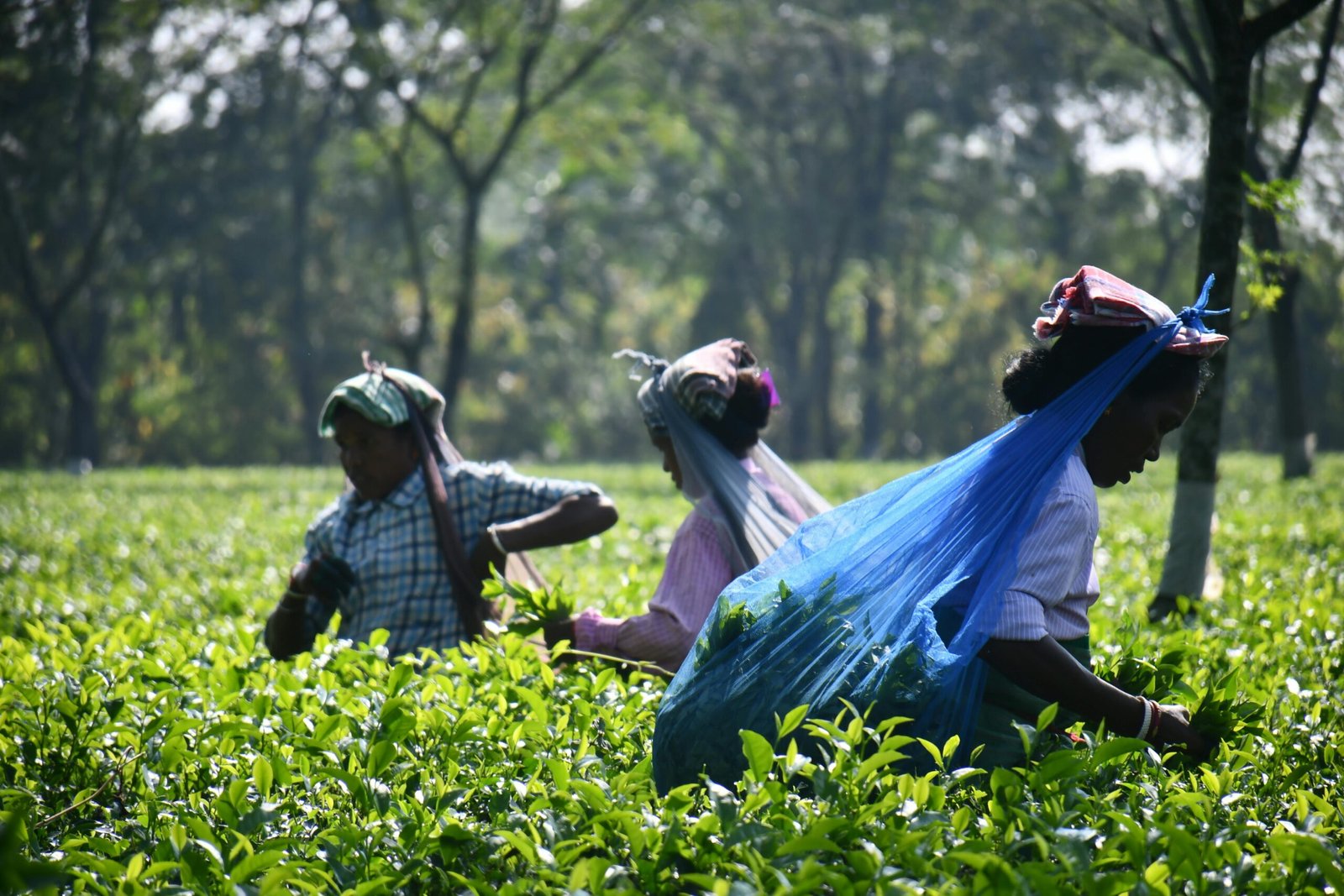
- Fresh Pluck: Young tea leaves (two leaves and a bud) are hand-plucked at dawn — usually in spring or early summer.
- Sun Withering: The leaves are spread out under the sun to lose moisture, a slow and sensory process.
- Rolling Time: This is where the magic happens. Leaves are gently rolled by hand — sometimes using bamboo trays or on woven mats — to bruise them slightly and release essential oils.
- Pan Firing: In traditional kitchens, the leaves are lightly roasted in iron pans over firewood to lock in the flavors.
The result? A smoky, earthy green tea that tastes like a forest whisper — raw, real, and unforgettable. Nueranya supports the revival of these indigenous practices by sourcing teas directly from such communities, ensuring your cup is ethically rooted and richly crafted.
More Than a Beverage: Tea in Assamese Culture
In Assam, tea isn’t just a drink. It’s a welcome. It’s a conversation starter. It’s comfort after a long day.
From the village homes that greet you with a laal chah (red tea) to tribal households where guests are offered handmade green brews infused with holy basil or lemongrass — tea is how Assam connects, celebrates, and consoles.
Even Bihu, the joyous harvest festival, is incomplete without a cuppa in hand and the scent of fresh tea wafting through bamboo homes.
Assam Today: A Sip into the Future
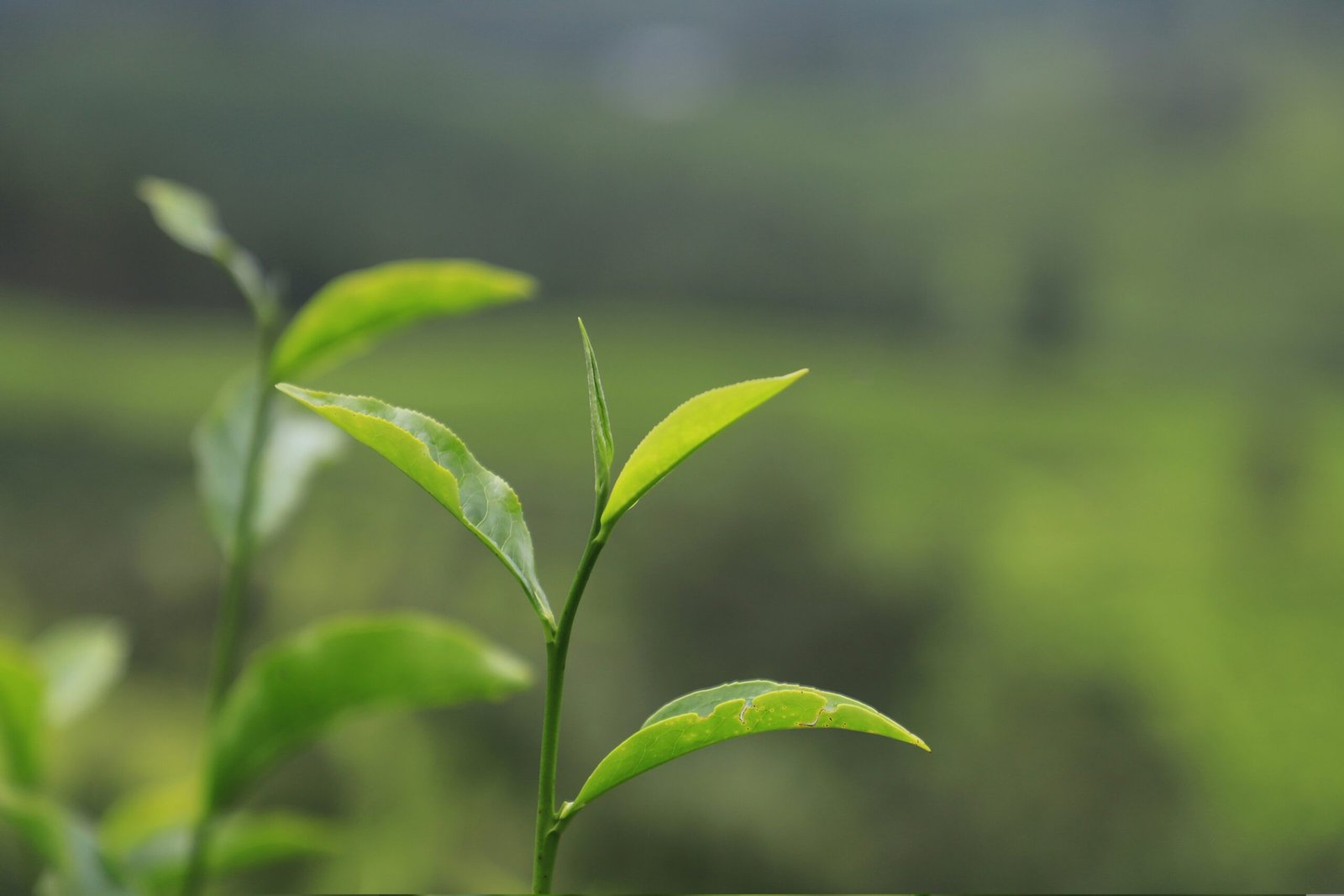
The global tea world is waking up to Assam’s green tea. From boutique organic farms in Dibrugarh and Jorhat to eco-conscious tribal cooperatives reviving ancient methods, Assam is brewing a green revolution.
You’ll now find Assam green tea in artisanal packaging, paired with turmeric, moringa, or even rose petals. Nueranya, for instance, brings you handpicked, sun-dried, and minimally processed green teas from the heart of Assam — teas that aren’t just good for you, but good for the planet and the people behind the leaves.
So next time you brew a cup of Assam green tea, remember — it’s not just tea. It’s a time capsule. A tribute to tribal wisdom, monsoon melodies, and generations of hands that rolled those leaves with love.
Take a sip. Let Assam — and Nueranya — tell you its story.


